
Submission
Deadline
October 16, 2026
Judging
Date
November 11, 2026
Winners
Announcement
November 26, 2026
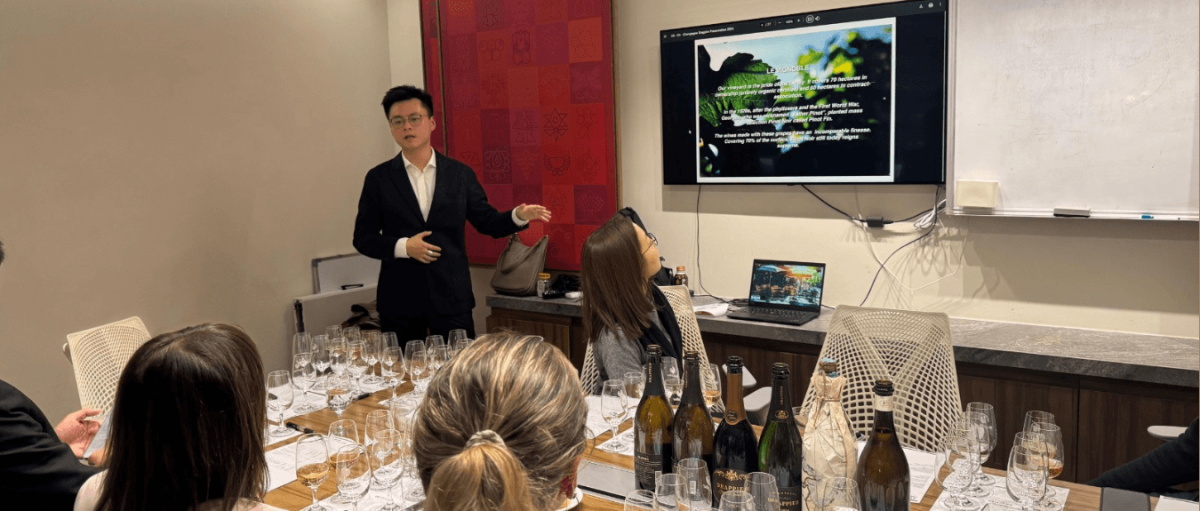
In a recent conversation with Kevin Suen, Wine Buyer at EMW Fine Wines, one message came through consistently: success in Asia requires far more than producing excellent wine. It demands a deep understanding of individual markets, competitive positioning, pricing, relationships, and the ability to tell a compelling story.
EMW Fine Wines is one of Asia's leading fine wine importers and distributors, representing an extensive portfolio of internationally acclaimed wineries from both Old and New World regions. Serving premium hotels, Michelin-starred restaurants, fine wine retailers, collectors, and hospitality businesses across Hong Kong and Greater China, EMW has built a reputation for introducing quality producers to the Asian market while maintaining one of the region's most respected wine portfolios. As a Wine Buyer at EMW, Kevin is responsible for identifying wines that combine quality, commercial viability, and long-term market potential, making his perspective especially valuable for producers looking to expand across Asia.
Having worked across both the UK and Hong Kong wine trade, Kevin offers a balanced perspective on what distributors and buyers are looking for today. His experience sourcing wines for one of Asia's leading importers gives him first-hand insight into the opportunities and challenges facing international wineries looking to expand across the region.
Rather than viewing Asia as a single market, Kevin highlights the importance of understanding each country's level of wine maturity, consumer behaviour, and commercial expectations. His advice provides practical guidance for producers hoping to build long-term success throughout Asia.
For mature markets like Hong Kong, people are often looking for international grapes from classic regions. But for some experienced drinkers, they will also look for the same grapes from other non-classic regions. Wineries that are based in less well-known regions may find these gaps and present themselves with their unique stories.
For emerging markets (e.g., Japan, Korea, Taiwan, Thailand, Vietnam), most people are still experimenting with their palate for wines. Wineries, including those from the classic regions, can enter these markets with lower-priced wines initially to see how these markets respond. Then, they can progressively export more high-end wines if they see any new demand. In this way, they bear a lower risk for export.
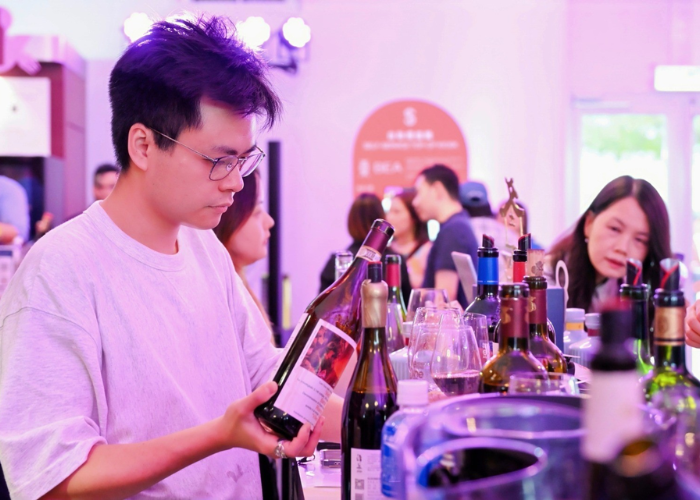
Origin: as we are based in Hong Kong, where appellations can affect consumers' decisions a lot, we always look for 'classic' regions first in order to fill the missing gaps in our portfolio. Then, we will see if we really need wines from 'non-classic' regions.
Price: offering prices from producers has to be competitive in order to meet suitable margins in different channels. There is little point in selling wines of very good quality but unhealthy margins.
Quality: price-quality ratio is a core belief in many consumers' minds. We want to offer the best qualities with lower costs where possible.
Style: in a distributor's portfolio, it is easy to find many overlapping styles. We want to make sure the new wines we bring in do not clash and compete with our existing items.
Production volume: producers must be able to deliver sufficient volume so that we can maintain a stable stock supply to different channels.
Story: stories from different producers can be very similar, but sometimes we can still listen to stories like growing grapes on moon-like craters, making white wines with red grapes, aging wines under the sea. Good stories can make the wine sell much more easily.
I believe the days of "good wine will sell itself" are long gone. A good producer must possess a skillful marketing team (in-house or hired) who can promote their wines constantly on digital platforms such as social media, community forums, and content platforms. The competition among producers is fierce, and being proactive in marketing can make them stand out.
Some producers seem to have skipped market research about the Hong Kong market, which focuses heavily on fine wines from classic regions such as Bordeaux, Burgundy and Champagne. Consumers in Hong Kong tend to spend more money on mid- to premium wines and occasionally niche wine styles. Producers who are making high-volume commercial wines, or those who are targeting lower price points, or those who are based in the non-classic regions will find it hard to enter the Hong Kong market. Therefore, it is crucial for producers to check if they are really compatible with the market.
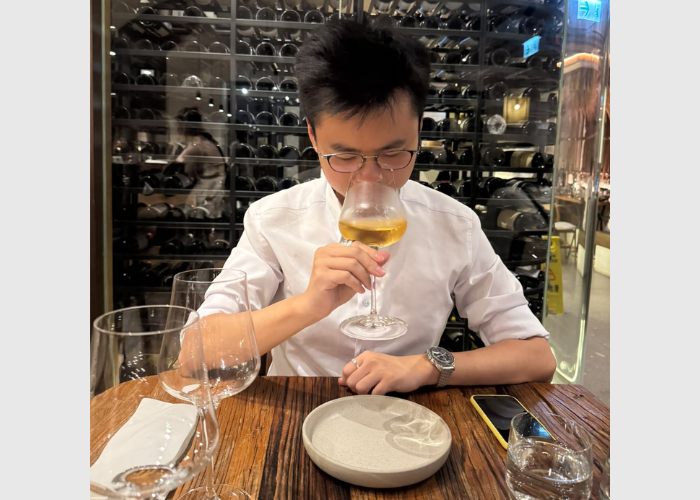
For the Hong Kong market, I believe there will be a strong growth potential in Chinese wines, as the wine quality continues to rise due to better grape growing and winemaking techniques in regions such as Xinjiang, Ningxia, and Yunnan. We can expect a higher demand from different clients.
I would expect a winery to sponsor at least some of the marketing activities and promotions. For example, some wineries can sponsor free bottles for a by-the-glass promotion, others can sponsor an incentive trip for trade clients.
Also, it would be great if the winery could send a representative for market visits from time to time. For example, visiting our existing and potential clients and see how they can support their businesses.
Even though both the UK and Hong Kong belong to the "mature market" or "saturated market", the fundamental difference between the two is the wine tax—there is quite a heavy wine tax in the UK, while there is no wine tax in Hong Kong. This sets a perfect scene for people to buy, sell, and enjoy premium wines in Hong Kong, while it makes entry-level to mid-range wines more accessible in the UK.
Therefore, it is important for producers to navigate the cost of different wines for drinkers in different markets, in order to export the "right wine" to the "right place".
In my opinion, Asians value close relationships a lot when it comes to business. Even if your winery makes the best wine in the world, you won't be able to sell a single bottle if you don't have the right connections. For example, in Hong Kong, trade clients will only work with wineries that genuinely know how the market works and are willing to build relationships. Be prepared and work on that!
Kevin's insights reinforce an important reality about Asia's wine business: there is no one-size-fits-all strategy. Every market sits at a different stage of maturity, with distinct consumer preferences, pricing expectations, and distribution dynamics. Producers who invest time in understanding these differences, developing strong local partnerships, and supporting their distributors with marketing and relationship-building efforts will be far better positioned for long-term growth.
His emphasis on storytelling, competitive pricing, reliable supply, and commercial support highlights what today's buyers expect beyond simply producing high-quality wine. For wineries looking to expand across Asia, success depends on being market-ready as much as it does being product-ready.
This philosophy is reflected in the judging methodology of the Asia Wine Ratings, which is designed to evaluate wines through the lens of the Asian trade.
At Asia Wine Ratings, every wine is judged by an expert panel of off-premise independent retailers, regional and national retailers, distributors, and importers from across the region. Entries are evaluated on Quality, Value, and Packaging to identify wines that not only taste exceptional but are also commercially attractive and retail-ready for Asian markets.

Asia Wine Ratings judges 2025
A medal from Asia Wine Ratings signals to distributors, retailers, and consumers that your wine meets the expectations of one of the world's most dynamic and competitive markets. Whether your objective is to secure listings with supermarkets, specialty retailers, importers, or omnichannel wine businesses across Asia, an Asia Wine Ratings medal provides valuable third-party validation that helps build trust, improve visibility, and support sales.
The Asia Wine Ratings 2026 judging will take place on November 11, 2026. For wineries looking to strengthen their presence across Asia, the competition offers not only international recognition but also valuable benchmarking against the buying criteria of the region's leading trade professionals.
This interview was conducted by Ankita Okate, Chief Growth Officer & Head of Events at Asia Wine Ratings, as part of an ongoing interview series featuring leading wine buyers, importers, distributors, retailers, and hospitality professionals from across Asia.
Also Read:
How India’s First Master Sommelier Is Redefining Wine Conversations, Across Asia
Inside Asia’s Evolving Wine Culture With Roberto Duran MS
Amber Deshmukh Decodes India’s Growing Wine Market
Get your wines evaluated by leading Asian importers, distributors, retailers and trade buyers. Receive detailed feedback on quality, value and packaging and discover how your brand can improve its market potential in Asia.