
Submission
Deadline
October 16, 2026
Judging
Date
November 11, 2026
Winners
Announcement
November 26, 2026

Roberto Duran MS has built a distinguished international career as a sommelier, earning recognition for his expertise and dedication to the craft. Originally from Madrid, he became the first Spaniard to earn the prestigious Master Sommelier title in 2025, following years of rigorous preparation across theory, blind tasting, and practical service. His career has taken him through Michelin-starred restaurants in Spain, London, and Singapore, including influential roles at Joël Robuchon and 67 Pall Mall Singapore, where he managed an extensive collection of approximately 6,000 wines. He was also named Best Sommelier of Spain in 2015, further establishing his reputation for technical excellence, discipline, and exceptional hospitality. Now serving as Wine Director at Ebb & Flow Group in Singapore, Roberto leads a forward-thinking wine programme featuring more than 1,000 references, supported by digital innovation, detailed service standards, and a strong emphasis on team education. His understanding of global wine regions, evolving consumer preferences, and the changing role of sommeliers offers valuable insight into how wines can achieve relevance, recognition, and commercial success across diverse international markets.
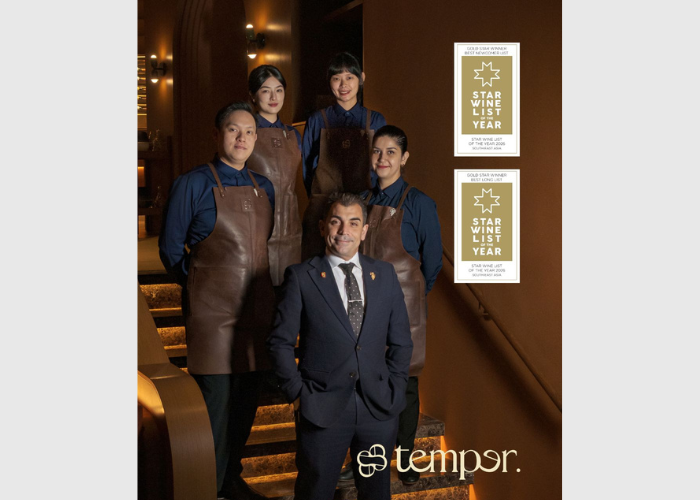
Source: Ebb & Flow Group
Having worked in Spain, London, and Singapore, I have found that my perception of how to run a successful wine program has changed drastically. The principles underlying successful wines- quality, authenticity, and hospitality are the same all over the world. Still, various markets have shown me that a successful wine list must take into account the preferences of its customers rather than of the creator of the list. In Spain, wine has become an inseparable part of everyday life. Usually, guests come to restaurants with their local preferences and some skills in wine, leaving the creator to properly choose wines according to traditions and facts. London has occupied more of an international position. Guests in London restaurants have a chance to taste wines from many countries, so the competition is very high. Singapore has turned out to be the most interesting place, which is connected with its diverse population. In Singapore, one restaurant can gather people from Europe, Asia, and America, and therefore it is vital to be able to create a wine program for people of different tastes and levels of wine knowledge.
Wine culture in Singapore has changed significantly over the years. In the past, people were very careful with wine and usually stuck to the so-called safe choices, i.e., wines from well-known areas and producers. Nowadays, there is a great openness to try new wines from interesting regions, local grape varieties, and small producers. People today have much more confidence in their wine choices than they did before. They are active in looking for new wines and asking what the story behind the wine is, and what type of food you can combine it with. Singapore's multicultural dining scene has contributed to this change. With so many different types of cuisine, people are becoming more interested in trying out wines to pair with food.
The way Asian wine buyers operate today is changing. While well-known brands and classic regions still exist, particularly among traditional wine collectors, people’s emphasis on personal experience behind each bottle of wine is becoming greater. Customers want authenticity and a sense of discovery; they want to know the story behind the bottle: who produced the wine, the philosophy behind the maker, the history behind the vineyard, and what makes this particular wine special.
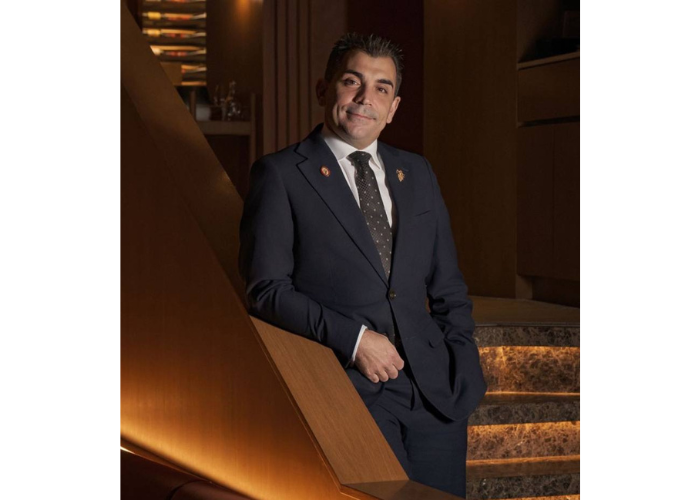
Source: Roberto Duran MS
In selecting what wines to place on my wine list, I always aim to bring together the three parties involved: producer, storytelling, and (most importantly) purpose:
- Quality is always the starting point. The main thing about the wine is its ability to bring enjoyment, character, and a sense of place. However, quality is not sufficient. Wine must be compatible with the restaurant’s identity and cooking style. I look for wines that enhance the dining experience by complementing subtle flavours, matching powerful dishes, or providing an unexpected discovery.
- A producer's reputation matters because it provides trustworthiness and consistency. However, I think reputation must serve to back up the decision rather than to make it. The most interesting wines can come from lesser-known producers who offer unique craft and an outstanding story.
- Price is another important factor to be taken into account. A successful wine list must feature a balanced combination of affordable and rare bottles, so guests will have a number of options to choose from.
I believe that for a sommelier's vision, it takes into account three criteria: quality, value, and presentation. All of these elements work together to influence a guest’s wine selection since consumers’ decisions to buy depend on both emotional and rational reasons. The quality of the beverage is of primary importance as a good wine provides enjoyment, balance, character, and a distinct sense of origin. Value implies that the wine gives consumers a sensation of getting more than they pay for. Quality, however good a product is, is meaningless without the proper presentation.
Assuming that the technique applied successfully in a particular area can be applied successfully elsewhere is one of the most frequent blunders made by foreign wineries when trying to expand into Asian markets. Asia is not a uniform wine market; each country has a distinct culture, food, consumer habits, and wine maturity level. A technique that works in one city may fail in another city.
In addition to the worldwide known Port wine, Portugal & Spain have an enormous variety of autochthonous grapes such as Touriga Nacional, Baga, Encruzado, Arinto, Tempranillo, Mencia, and Grenache. These varieties bring a recognisable personality and authenticity to wines, and provide a perfect match to the food served in Asia because their flavours are versatile. Greece is another opening area. Grapes like Assyrtiko, Xinomavro, and Agiorgitiko give distinctive and unique wines that are difficult to imitate. Assyrtiko, especially with its freshness, minerality, and ability to go well with seafood and various kinds of dishes, seems to be perfect for Asian cuisines.
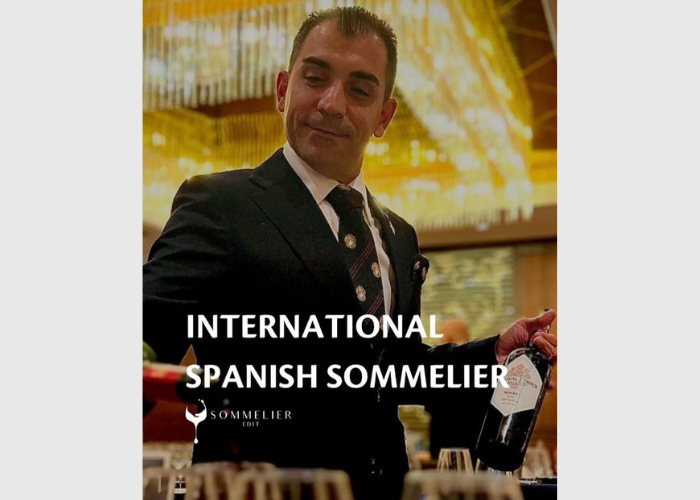
Source: Roberto Duran MS
To be recognised as the first Master Sommelier from Spain is a big responsibility in terms of representing the profession and making it easier for people on the same professional path. Mentorship is an important aspect of our profession as it means more than just knowledge; it implies sharing experiences, building confidence, and learning how to interact with people. As for young sommeliers, especially in Asia, they should concentrate on building a strong basis: tasting regularly, mastering the knowledge about wine, acquiring the skills of serving, and learning to effectively interact with guests.
A strong wine programme is ultimately built on curiosity, adaptability, and a clear understanding of the guest. Roberto’s perspective shows that commercial success does not come from reputation alone, but from combining quality, value, storytelling, and relevance within each market. As Asian consumers become more confident and adventurous, opportunities are growing for lesser-known producers, indigenous grape varieties, and wines that connect naturally with the region’s diverse cuisines. For wineries and sommeliers alike, the future will depend on listening closely, educating thoughtfully, and creating experiences that make wine feel approachable, memorable, and personally meaningful.
Header image source: Roberto Duran MS
Also Read:
How India’s First Master Sommelier Is Redefining Wine Conversations Across Asia
Understanding Vietnam’s Evolving Wine Market With Charles Dale
Why Asia Demands a Different Wine Playbook?
Get your wines evaluated by leading Asian importers, distributors, retailers and trade buyers. Receive detailed feedback on quality, value and packaging and discover how your brand can improve its market potential in Asia.