
Submission
Deadline
October 16, 2026
Judging
Date
November 11, 2026
Winners
Announcement
November 26, 2026

As the first Indian to earn the prestigious title of Master Sommelier, Kamal Malik has become one of the leading voices shaping the modern wine conversation across Asia and the Indian Ocean markets. Holding distinguished credentials, including Dip WSET, Certified Sake Sommelier, and Certified Specialist of Spirits, he brings a rare blend of technical expertise, commercial insight, and global perspective to the industry. Beyond his leadership role as Regional Sales and Marketing Manager for MMI across the Indian Ocean region, Kamal is also an educator with the Court of Master Sommeliers, contributing to the growth of wine education and professional standards across emerging markets. Widely respected for his approachable style and deep understanding of hospitality, consumer trends, and wine culture, he continues to play a pivotal role in expanding wine appreciation across Asia. We had the opportunity to speak with Kamal Malik MS about the rapidly evolving wine scene in Asia, shifting consumer preferences, and what the future holds for the region’s growing wine culture.
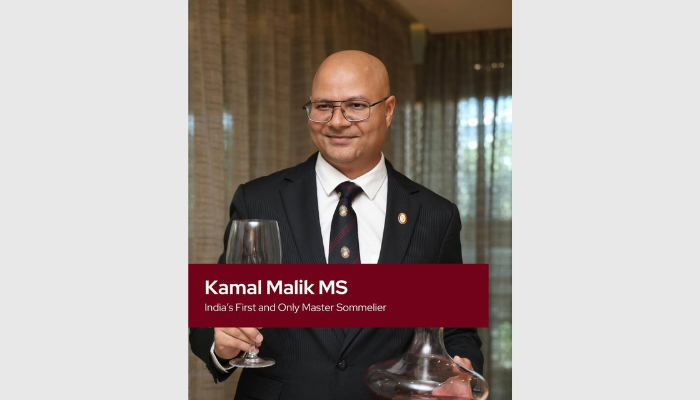
Source: Sommeliers Association of India
Asia is the world’s most populous continent, home to half the world’s population. Wine is still largely an unexplored choice as a drink, way behind beer and spirits in consumption. There are so many opportunities ahead. With a surging middle class and changing lifestyles, dining out and socializing are increasing day by day. If the future doesn’t lie here for wines, where will it?
Greatness has a defined characteristic for me - beyond likeness. Balance, length, intensity, complexity, and typicity are great ways to look at it; that has not changed. What changed is the way I look at effort, history, and the story behind the wine in accounting for its greatness. I have become keener over the years towards these, too.
Most Asian markets have higher taxation on alcohol, so the prices are usually higher. This puts pressure on the value-for-money factor. Also, quality perception is different in Asia, which many winemaking cultures do not realise. For example, high acidity is a perceived quality factor in Europe, while high acidity is not looked at that favourably in Asia; texture is the key quality component. Packaging matters a lot too; it’s one way to be attracted to a wine bottle in a clutter of unfamiliar names.
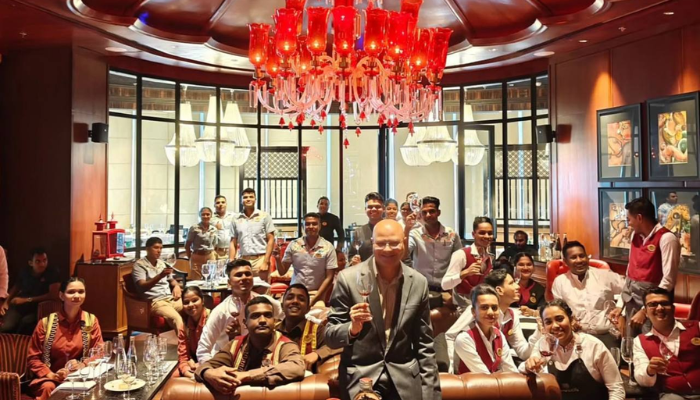
Source: Kamal Malik MS
We see an influx of critter labels and run strategies being adopted at the retail level. Asian wine consumers pick up these wines, hate them, and then believe that it is how the wines taste in general and go back to their drink of comfort. It is important to move the conversation to world classics, which can deliver consistency of style and a certain perceived quality, if we were to continue engaging them meaningfully.
Asians cuisine is fundamentally different from European cuisine. Asians are usually way less experimental in food habits, so wine has to be associated with the food of the country; otherwise, it will stay limited to that once-in-a-blue-moon occasion when they try Western food. The brand needs to show how it can add value and enjoyment to their daily meal.
Wine thrived through generations because it had a passion to pass on, a story to tell, and a dinner meal to pair with. As long as we can successfully keep these three touch points, we will still be drinking great wines for a few more generations to come. A sommelier in Asia needs to deliver on these three touchpoints to craft an experience.
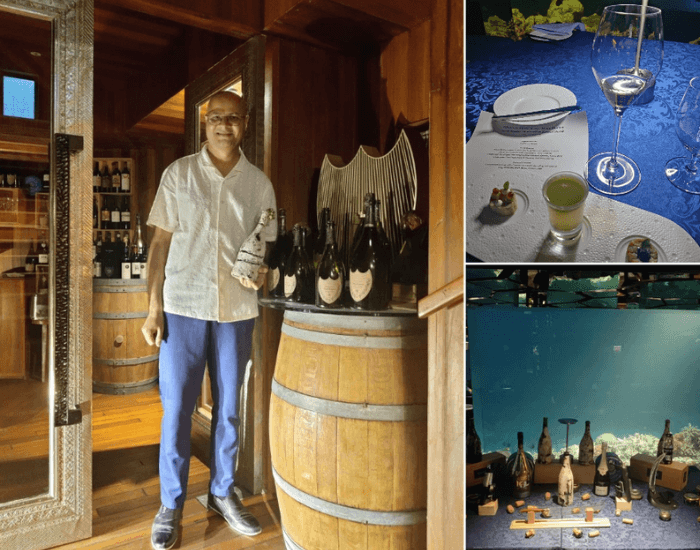
Source: Kamal Malik MS
Value is what you receive in return for the money paid. If the experience is worth repeating, you got the value for money. It’s imperative to engage the consumer’s heart and mind along with the taste buds for maximum stimulation. A wine with a story, served right in proper settings, is what would make that difference.
Wine remains a regulated commodity in most Asian countries, which may not change in the near term, so there are limitations; however, where possible, wine can certainly benefit from online presence and home delivery networks. Great packaging and a good social media presence can help, since social media is still relatively free to promote, compared to traditional channels.
Wine is not an essential part of culture in Asia; it will take a longer grind for any brand to establish itself. Patience and perseverance will pay off. There are no quick gains to be had.
Many emerging world-class cities in Asia will be fueling wine and dine trends in Asia, but wine will need to be paired with local cuisine. Chinese wines will give tough competition to the famous reds around the world, and Japan will be known for some stunning white and sparkling wines.
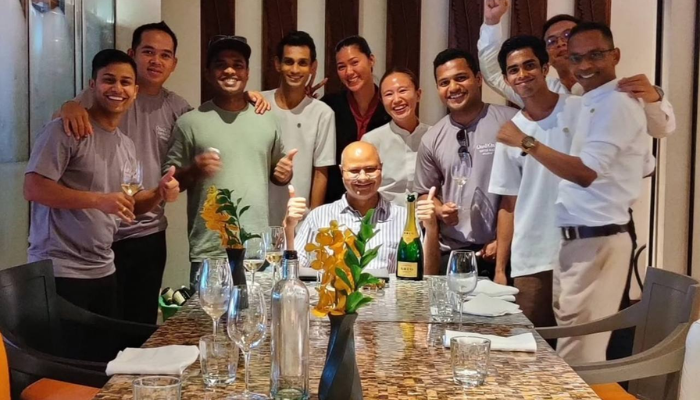
Source: Kamal Malik MS
As our conversation with Kamal Malik MS makes clear, Asia is no longer an emerging conversation in the world of wine. It is rapidly becoming one of its most influential frontiers. From evolving consumer preferences and the importance of cultural relevance to the growing role of education, storytelling, and local cuisine pairings, Kamal offers a perspective shaped by decades of experience at the highest level of the industry. His insights reflect both optimism and realism: success in Asia requires patience, authenticity, and a deep understanding of how wine fits into everyday life across diverse cultures. As younger consumers continue to reshape drinking habits and new markets open across the region, the future of wine in Asia will belong to producers and professionals willing to adapt, educate, and create meaningful experiences. And if Kamal Malik’s journey is any indication, the next chapter of the global wine industry may very well be written in Asia.
Header image source: Kamal Malik MS
Also Read:
Modern Indian Cuisine And The New Language Of Wine Pairing
Cracking the Asian Wine Market: A Strategic Guide for Global Producers
Selling Wine in India: A Market Defined by Regulation, Pricing Pressure, and Long-Term Opportunity
Get your wines evaluated by leading Asian importers, distributors, retailers and trade buyers. Receive detailed feedback on quality, value and packaging and discover how your brand can improve its market potential in Asia.