Submission
Deadline
October 16, 2026
Judging
Date
November 11, 2026
Winners
Announcement
November 26, 2026
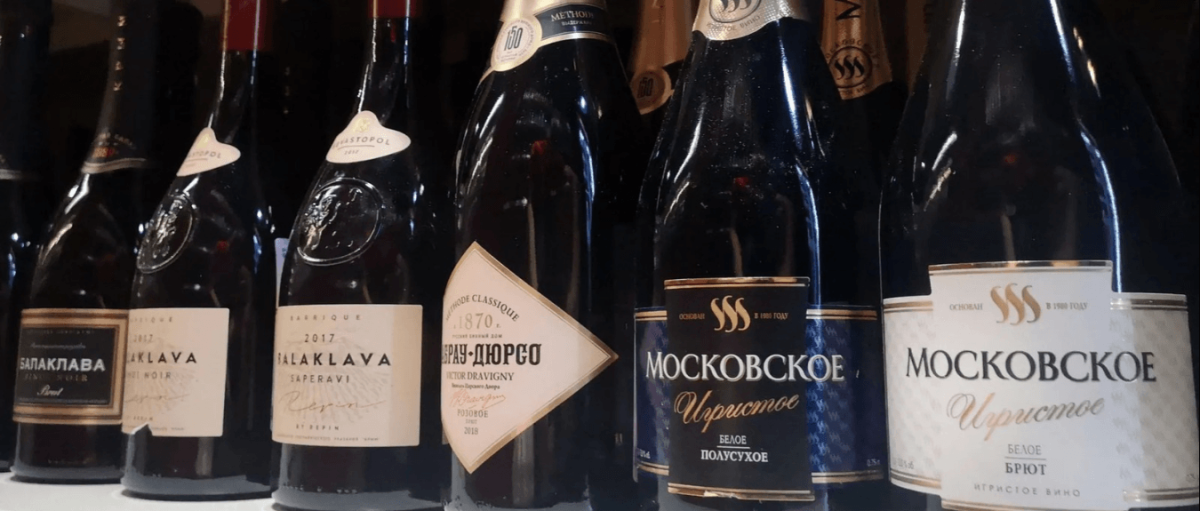
For Asian wine buyers, an unfamiliar origin creates both an opportunity for discovery and a challenge to explain. Before a bottle earns its place on a retail shelf or restaurant list, the buyer must understand its style, establish its value, and identify the customer who might purchase it. Russian wine brings these questions into focus, offering a mix of international grape varieties, regional specialties, and sparkling wines that require closer examination than a country label alone can provide. The category already has a foothold in Asian retail, with Singapore’s Ewine Asia listing wines including Abrau Durso Chardonnay and Vedernikov reds made from Krasnostop Zolotovsky and Tsimlyansky Cherny. These listings provide concrete starting points for discovery, although they should not be interpreted as evidence of widespread regional distribution. For importers considering the category, the task is to connect individual wines with a credible commercial proposition.
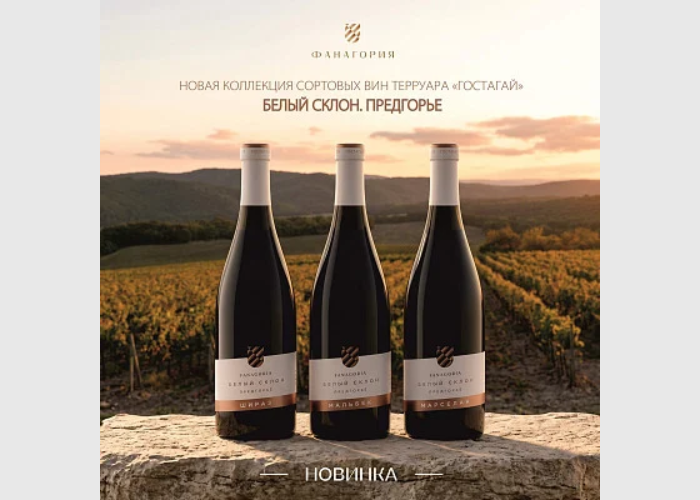
Source: Fanagoria
An introduction to Russian wine begins in the south, particularly around Krasnodar Krai and the wine-growing territory commonly associated with Kuban. Within this landscape, the Taman Peninsula provides an important geographical reference, lying between the Black Sea and the Sea of Azov. Fanagoria’s account of its vineyards describes a combination of maritime moderation and continental influences, with surrounding waters tempering conditions while exposed terrain allows weather systems from inland steppe areas to reach the vineyards. This helps explain why Russian wine cannot be understood through the country’s colder northern image.
Krasnodar also offers different models of wine production, from extensive vineyard operations to estates built around particular sites. Lefkadia, established in the village of Moldavanskoye, is a useful producer to research when exploring this estate-focused dimension. Its published vineyard information describes plantings of both Russian and international varieties, illustrating the coexistence of local identity and internationally familiar grapes within the region. Buyers should examine the vineyard source and technical details of each bottling rather than assume that a broad regional designation guarantees a consistent style.
The Don Valley introduces another important dimension through its association with native varieties. Vedernikov’s work with Krasnostop Zolotovsky, Tsimlyansky Cherny, and the white grape Sibirkovy gives buyers an entry into wines whose identity is closely connected with regional grape heritage. The producer’s harvest reporting also documents the cultivation of European varieties alongside these local grapes, reinforcing the need to distinguish individual wines within a portfolio.
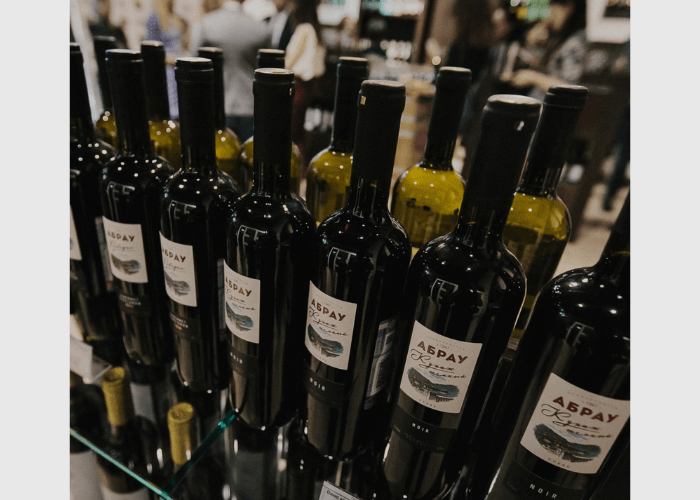
Source: Abrau Durso
International varieties offer a straightforward way to begin evaluating an unfamiliar origin, because buyers can compare a Russian Chardonnay or Cabernet Sauvignon with wines they already understand. Those comparisons should consider balance, texture, oak integration, and price, allowing the wine’s merits to emerge through tasting. A recognisable grape name may make the first conversation easier, but the bottle still needs a clear reason to occupy space in a competitive portfolio. Native grapes create a different proposition, allowing specialist retailers and sommeliers to introduce something less familiar. Their commercial appeal depends partly on how effectively that difference can be communicated, particularly when customers encounter names that require explanation. A useful description should connect the grape with the wine’s flavour, structure and serving occasion, giving staff language they can use confidently.
Sparkling wine broadens the discussion further, with Abrau Durso producing wines through both traditional bottle fermentation and the Charmat method. Singapore retailer Ewine Asia explicitly identifies both methods in its producer profile, making production technique an essential distinction when comparing ranges. Buyers should identify the method, sweetness level, and maturation details of the specific wine before deciding where it fits alongside other sparkling selections.
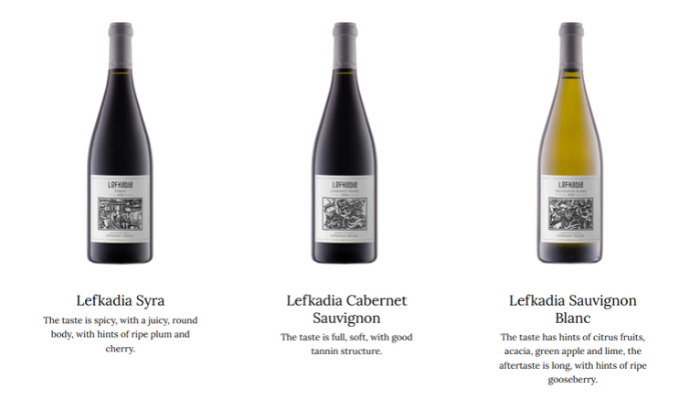
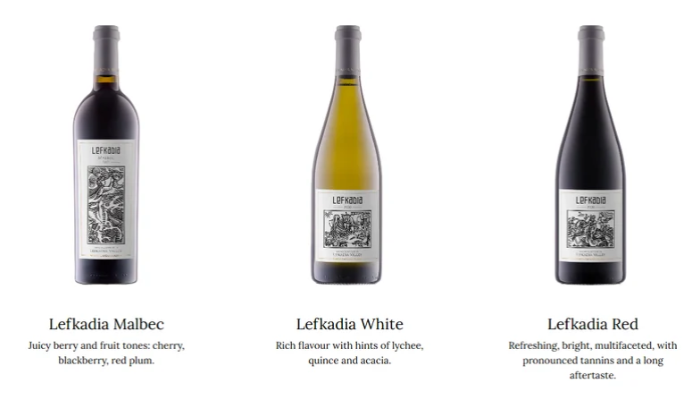
Source: Lefkadia
Russian wine listings across several Asian markets offer buyers a broader introduction to the category, encompassing native-variety reds, internationally familiar grapes, and sparkling wines. In Japan, Vinaska lists Fanagoria Cru Lermont Pinot Noir, a dry red made entirely from Pinot Noir and carrying the protected geographical designation “Sennoy.” The retailer describes red-fruit and spice notes, smooth tannins, and refreshing acidity, offering a familiar varietal reference for customers exploring Russian wine for the first time. Its suggested pairings include grilled fish, game, and tempura, offering useful starting points for restaurant tastings.
In Vietnam, Wine & Food lists Abrau Durso Sekt Rosé and Abrau Durso Halbtrocken, extending the selection into rosé and semi-dry sparkling wines. These examples give importers different styles to investigate alongside dry sparkling selections, particularly when assessing sweetness, serving occasions and food compatibility. For buyers, the practical priority is to obtain the technical specifications of each bottling, since the producer’s name alone does not explain its production method or residual sugar.
In Singapore, Ewine Asia lists Vedernikov Krasnostop Zolotovsky and Vedernikov Tsimlyansky Cherni Red, providing access to two distinctive native red varieties. The Krasnostop is described as a full-bodied Don Valley wine matured for 18–24 months in French oak, while the retailer’s feature presents the Tsimlyansky Cherni as a rounded, full-bodied red with fruit, tobacco and spice notes. Together, they offer specialist merchants and sommeliers an opportunity to build a tasting around regional grape identity, with enough stylistic context to move the conversation beyond rarity alone.
Further west, in the United Arab Emirates, CityDrinks lists Abrau-Durso Brut d’Or Blanc de Blancs, Brut d’Or Blanc de Noirs and Cuvée Alexander II Brut White. The Chardonnay-based Blanc de Blancs and Pinot Noir-based Blanc de Noirs provide contrasting expressions within the sparkling portfolio, while the Alexander II introduces a blended cuvée. These listings give buyers additional reference points for comparing Russian sparkling wines by grape composition, production details and price positioning. Across all these markets, published listings provide evidence of a retail presence, although current stock, vintages and replenishment should be confirmed directly with the seller.
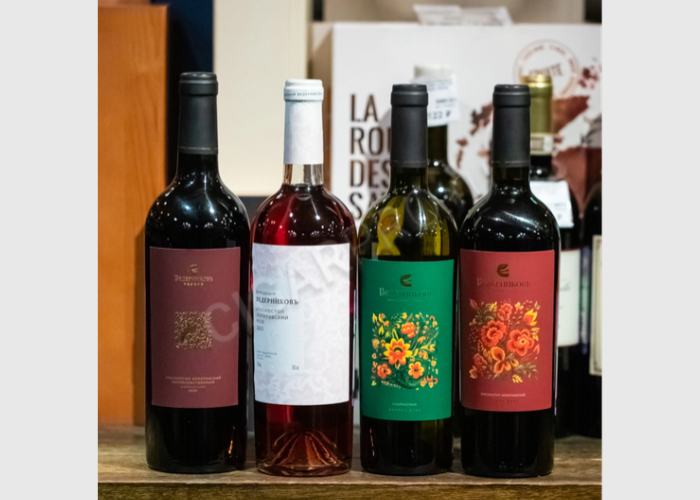
Source: CigarPro
The strongest route into a portfolio depends on the customer and sales channel. A specialist merchant could introduce a native-variety red through a guided tasting, while a restaurant might build interest through a pairing or a sommelier recommendation. An online retailer would need clear product information that explains the wine without relying on the shopper’s prior knowledge of Russian geography. These are approaches to test within individual markets, rather than assumptions about a single Asian consumer. An importer should identify the accounts most likely to support the wines, assess the final selling price, and establish how much education those accounts require. A limited selection with a defined purpose may be easier to develop than a broad range whose bottles compete for the same customer.
Success in Asia’s wine markets begins with a clear understanding of what buyers need and what consumers will purchase again. For an unfamiliar wine origin, curiosity can open the conversation, but lasting demand requires consistent quality, convincing value and a distinctive identity that retailers and hospitality teams can communicate confidently. Importers must look beyond the tasting sample to assess provenance, bottle condition, landed costs, shipment feasibility and the producer’s ability to support sustained sales. A focused selection, introduced through suitable accounts and supported by practical education, gives each wine a stronger chance of finding its audience. Equally important is a dependable partnership that ensures accurate information, reliable replenishment and responsive communication after the first order. The opportunity lies in connecting regional character with a relevant drinking occasion and a credible commercial proposition, allowing discovery to develop into customer confidence, repeat purchases and a sustainable place within a carefully considered wine portfolio.
Header image source: Augustman
Also Read:
Kevin Suen on Hong Kong's Wine Market and Winning Across Asia
Where Are the Oranges? Understanding Orange Wine
Cracking the Asian Wine Market: A Strategic Guide for Global Producers
The 2026 Asia Wine Ratings results are now live. Importers, distributors and retail wine buyers across Asia, explore this year’s winners and find award-winning wines to bring into your market, add to your portfolio or stock on your shelves.