
Submission
Deadline
October 16, 2026
Judging
Date
November 11, 2026
Winners
Announcement
November 26, 2026
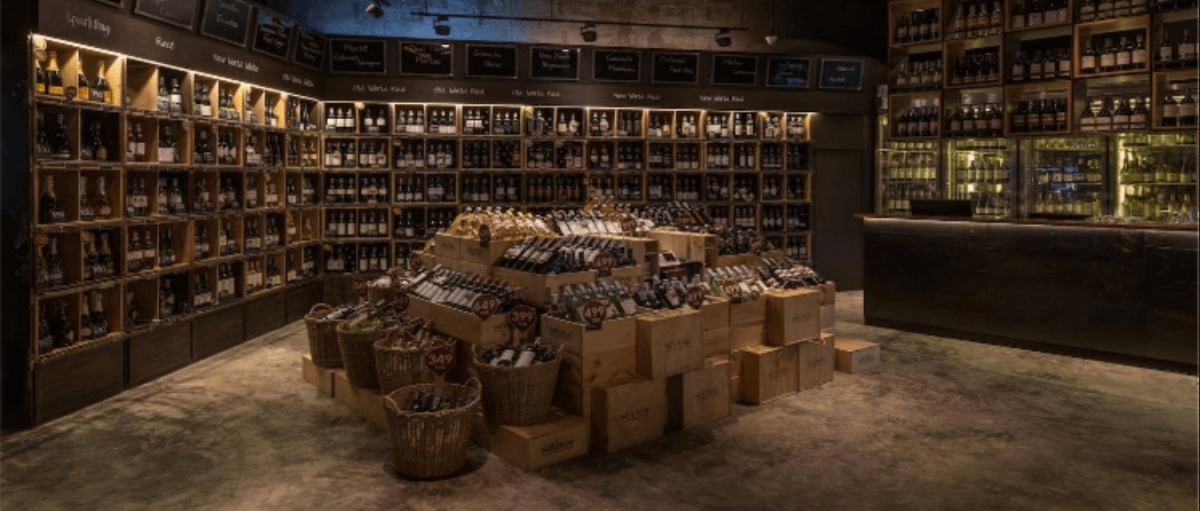
Asia's wine market is slowly changing. Wine is no longer found only in large supermarkets, luxury hotels, and expensive restaurants. In many Asian cities, smaller wine shops and growing specialist retailers are becoming an important part of the market.
These businesses usually work on a smaller scale than large supermarkets or liquor chains. Instead of trying to stock every possible brand, they often select wines carefully and focus on smaller producers, independent wineries, organic wines, natural wines, and lesser-known regions. Their smaller size can also be an advantage. Customers can receive more personal recommendations, attend tastings, speak directly with wine professionals, and discover wines that may not be available in larger stores.
Many of these retailers are also using online platforms, social media, delivery services, wine clubs, and small tasting events to reach customers.
For wineries and importers, these retailers can be useful because they provide a direct connection with consumers. A small retailer may not sell the same volume as a supermarket, but it can introduce a new wine to customers who are specifically interested in discovering something different.
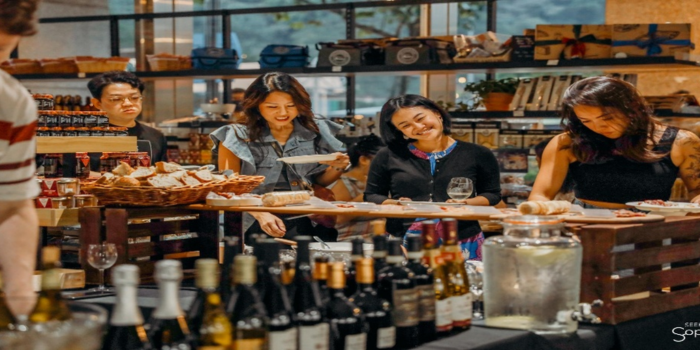
Source: Seeksophie.
This research looks at selected small and medium-sized wine retailers and emerging wine chains across Asia and studies how they are developing their own ways of selling and presenting wine
Large retailers usually have an advantage in terms of space, price, and product quantity. Smaller wine retailers compete in a different way.
Their main strengths are usually:
- Personal service
- Carefully selected wines
- Knowledge of wine
- Direct relationships with smaller producers
- Wine tastings and events
- Online communication
- Local customer relationships
Instead of walking through hundreds of bottles without knowing what to choose, customers can ask for a recommendation based on their taste, budget, food, or occasion.
This personal approach is especially useful in Asian markets where wine culture is still developing.
Carefully Selected Products
Smaller retailers usually cannot compete with large stores on quantity, so they focus on selection. They may choose wines from boutique wineries, independent producers, organic vineyards, or less familiar wine regions.
Personal Customer Service
Because these businesses operate on a smaller scale, staff can often spend more time talking to customers and understanding their preferences.
Tastings and Events
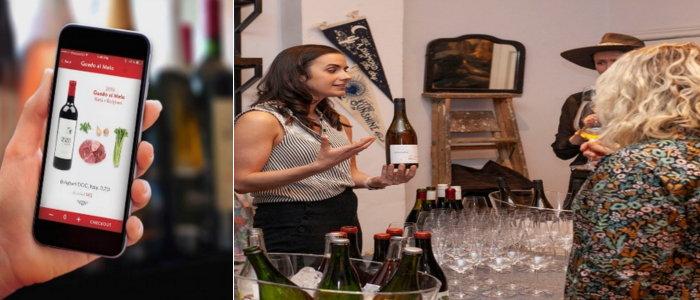
Many independent retailers organise small tasting sessions, wine dinners, workshops, or private events. These activities help customers understand the wines and also create a community around the store.
Online Retail
A physical store is no longer the only way these businesses reach customers. Websites, Instagram, WhatsApp, online catalogues, and delivery services have become important tools for smaller wine businesses.
Stronger Relationships with Producers
Some independent retailers import directly or work closely with small wineries. This allows them to offer wines that may not be easily found through larger retail chains
Retailer Name: WineCircle
Founded: 2019
Business: Independent wine importer and online retailer
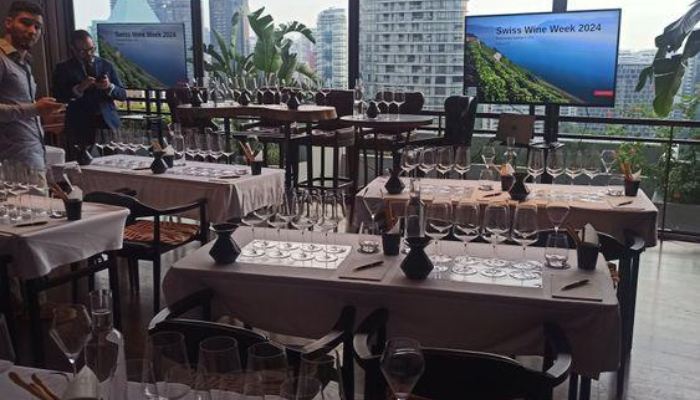
Source: WineCircle.
Overview
WineCircle is a Singapore-based wine business started by a group of friends who wanted to bring better-priced European wines to Singapore. The company focuses on small and artisanal producers, particularly from Switzerland and France. Its direct-import model helps reduce the number of middlemen between the producer and customer.
Trade Insight
WineCircle is a good example of how a small wine business can compete through direct sourcing and careful selection instead of having a very large store network. Its focus on small producers and sustainability also gives it a clear identity.
Another Singapore Example: Small Story
Small Story is another independent wine business that focuses on small, family-owned producers and organic or biodynamic wines. It was created to introduce these smaller brands to Singapore consumers.
This shows that smaller retailers can act as a bridge between independent wineries and customers who are looking for something different.
Retailer Name: Winerack
Started: 2007
Business: Independent wine importer and retailer
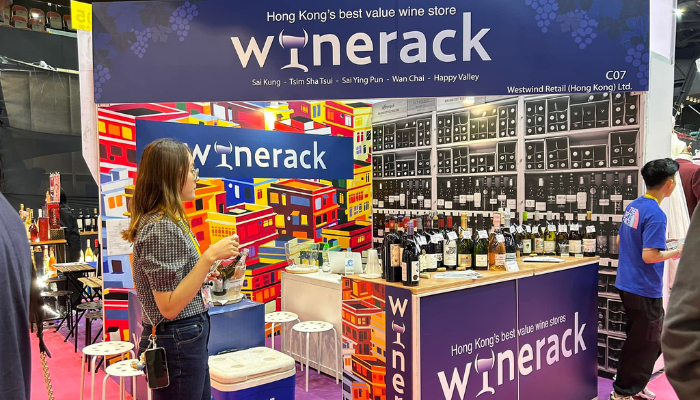
Source: Winerack Stores
Overview
Winerack began as a small independent wine business in Hong Kong after its founders became frustrated with high wine prices. It opened its first retail store in 2014 and now operates five locations. The company imports around 90% of its wines directly from selected vineyards and focuses on a smaller, curated range rather than carrying every wine from its suppliers.
Trade Insight
Winerack shows how a small retailer can compete through direct importing and lower prices while still maintaining a carefully selected range. Its tasting and events room also shows how a small wine retailer can create a stronger connection with customers.
Retailer Name: Wine Shop Sommelier
Business: Specialist wine retailer
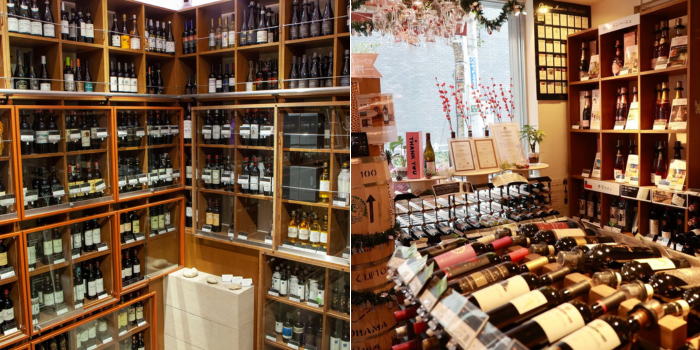
Source: Wine Shop Sommelier
Overview
Wine Shop Sommelier is a specialist wine retailer in Japan. Its stores are run by professional sommeliers who help customers choose wines according to their preferences. The company describes its staff as qualified professionals who can guide both beginners and experienced wine drinkers. One of its stores is located in Roppongi, Tokyo.
Trade Insight
The main strength of this type of retailer is personal knowledge. Customers can ask simple questions about wine without feeling that they need to already be experts. This makes the specialist shop more approachable than a large retail environment.
Retailer Name: Red Tongue Boutique
Business: Boutique wine retailer
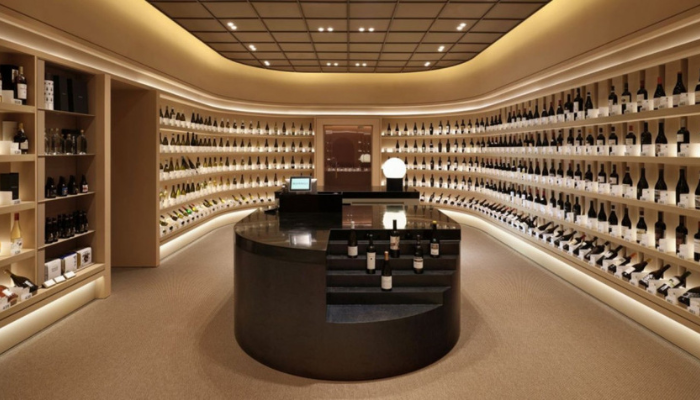
Source: amazingarchitecture
Overview
Red Tongue Boutique is a Korean specialist wine retailer that focuses on curated wines and premium customer experiences. Its website currently lists five stores in Seoul and the surrounding area, including Cheongdam, Seorae, Apgujeong, Yeouido, and Pangyo. The retailer also organises private tastings and wine-maker dinners.
The Pangyo store was designed as a 100 m² boutique containing around 500 wine bottles, with the layout designed to make wine selection easier for customers.
Trade Insight
Red Tongue shows how a growing boutique chain can use store design and events to create a more premium experience. Instead of simply displaying bottles, the retailer makes the selection process part of the experience.
Retailer Name: Wine Retail Centre (WRC)
Business: Emerging wine-exclusive retail business
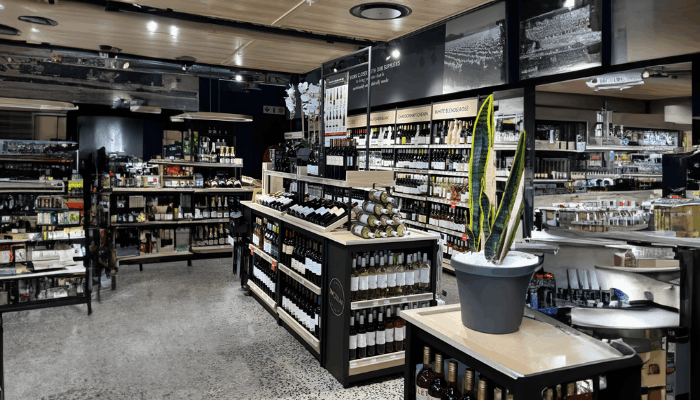
Source: Wine Retail Centre
Overview
Wine Retail Centre is a newer Indian wine retail concept that focuses only on wine rather than selling a large mix of liquor categories. The company describes its stores as temperature-controlled, curated spaces where customers can explore Indian and international wines. It also offers tastings, workshops, wine clubs, and expert sessions. Its current location is in Maharashtra, with plans for wider expansion through franchising.
Trade Insight
WRC is an interesting example because it is trying to create a more specialised wine-shopping environment in India. Its focus on education, transparent pricing, wine tastings, and dedicated wine displays shows how smaller retailers can help develop wine culture in an emerging market.
Retailer Example: Independent Boutique Wine Retailers
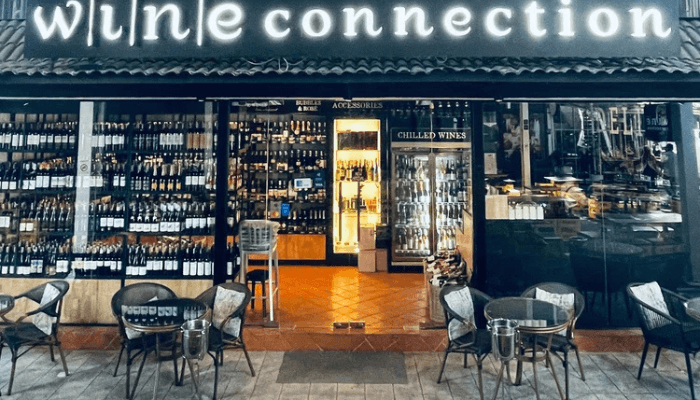
Source: Wine Connection
Thailand's wine retail market includes large chains, but smaller independent wine businesses are also important because they cater to customers looking for specific types of wine and more personal service.
Overview
Smaller wine retailers in Bangkok and other Thai cities often focus on imported wines, boutique producers, natural wines, and wines selected for particular customer groups. Many operate through a combination of small physical spaces, online ordering, social media, and wine events.
Trade Insight
The smaller Thai retailers show how independent businesses can compete without having a large number of stores. Their advantage comes from knowing their customers and offering wines that may not be easily found in larger retail outlets.
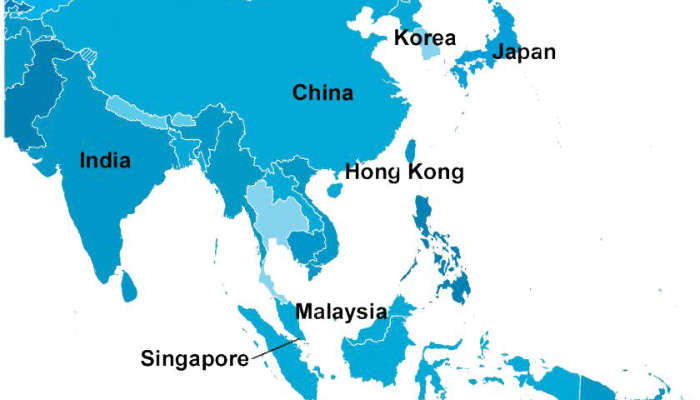
COMPARATIVE ANALYSIS :
Source: pngplay.com
The retailers studied in these markets are different in size and business model, but they have several things in common.
| Market | Retailer | Main Strenght | Main Approach |
|---|---|---|---|
| Singapore | WineCircle / Small Story | Small-producer focus | Direct sourcing + curated wines |
| Hong Kong | Winerack | Independent retail | Direct imports + value |
| Japan | Wine Shop Sommelier | Professional advice | Sommelier-led retail |
| South Korea | Red Tongue Boutique | Boutique experience | Curated wines + events |
| India | Wine Retail Centre | New specialist format | Wine-only retail + education |
| Thailand | Independent wine shops | Local customer focus | Boutique selection + online retail |
The comparison shows that smaller wine retailers do not usually compete with large retailers on the number of bottles or the number of stores.
Instead, they compete through selection, knowledge, service, and personal relationships.
Singapore and Hong Kong show the importance of direct sourcing and boutique producers. Japan places more importance on professional advice. South Korea combines wine selection with store design and events. India is creating new specialist wine spaces, while Thailand shows how smaller retailers can use local relationships and online channels to reach customers.
One of the main findings from this research is that size can actually become an advantage for a wine retailer.
A large retailer can offer more products, but a smaller retailer can offer a more personal experience.
A customer at an independent wine shop may speak directly to someone who knows the products and can recommend a bottle based on their personal taste.
Smaller businesses can also change their product selection more quickly. If customers become interested in natural wines, organic wines, or a particular region, an independent retailer can adjust its range without the same level of complexity as a large chain.
This makes smaller retailers useful for introducing new wine trends.
1. Curated Wine Selection
Smaller retailers are focusing on fewer but more carefully selected wines rather than trying to stock everything.
2. Direct Importing
Some independent retailers work directly with wineries. This can reduce costs and also give them access to wines that are not widely available.
3. Wine Education
Tastings, workshops, and personal recommendations are becoming important ways of attracting customers.
4. Online Retail
Small retailers are using websites, social media, messaging platforms, and delivery services to compete with larger businesses.
5. Experience-Based Stores
Wine shops are becoming more comfortable and interactive. Tasting areas, events, private dinners, and better displays make customers spend more time in the store.
6. Interest in Smaller Producers
Independent retailers are often more willing to introduce small wineries and unusual wines. This gives customers more variety and gives smaller producers another way to enter Asian markets.
Source: citynomads and 18waits
Small and medium-sized wine retailers are playing an important role in the development of wine culture across Asia.
Unlike large retailers, they do not depend mainly on size and volume. Their strength comes from carefully selected wines, personal service, direct relationships with producers, and customer education.
The examples from Singapore, Hong Kong, Japan, South Korea, India, and Thailand show that these businesses are using different methods according to their markets. Some focus on small producers and direct imports, while others focus more on professional advice, store design, tastings, or online shopping.
Another important finding is that these retailers can introduce wines that may otherwise be difficult for consumers to discover. In this way, they act as a link between smaller wineries and new customers.
As wine consumption continues to develop in Asia, small and medium-sized retailers may become increasingly important. Their smaller scale allows them to respond quickly to new trends and build closer relationships with their customers.
Overall, the future of these retailers may not depend on becoming the biggest. Their advantage may come from being more specialised, more personal, and more connected to the customer.
Header Image Source: Behance website
Also Read:
Leading Wine Importers in Thailand Every Brand Should Know
South Korea: A Mature, Retail-Driven Market Shaped by Premiumisation and Consumer Curiosity
Selling Wine in Japan: A Market Built on Discipline, Food Culture, and Long-Term Consistency
Get your wines evaluated by leading Asian importers, distributors, retailers and trade buyers. Receive detailed feedback on quality, value and packaging and discover how your brand can improve its market potential in Asia.