
Submission
Deadline
October 16, 2026
Judging
Date
November 11, 2026
Winners
Announcement
November 26, 2026
Economic uncertainty has taken quite a toll on global beverage sales. Total alcohol consumption appears to be declining, with wine—particularly red wine—bearing the brunt of the downturn. This is no longer a revelation; it is now a well-established reality within the industry. With wine sales falling even in traditionally strong wine-consuming countries such as France, the UK, the USA, and Italy, producers are increasingly being forced to reassess and pivot their strategies. Many are now looking toward newer and younger markets. While Asia has a long-standing tradition rooted in rice-based wines and spirits, grape-based wine remains an area of growing interest. As a result, Asia is emerging as an untapped market with significant potential, drawing the attention of producers eager to claim a share of the opportunity.
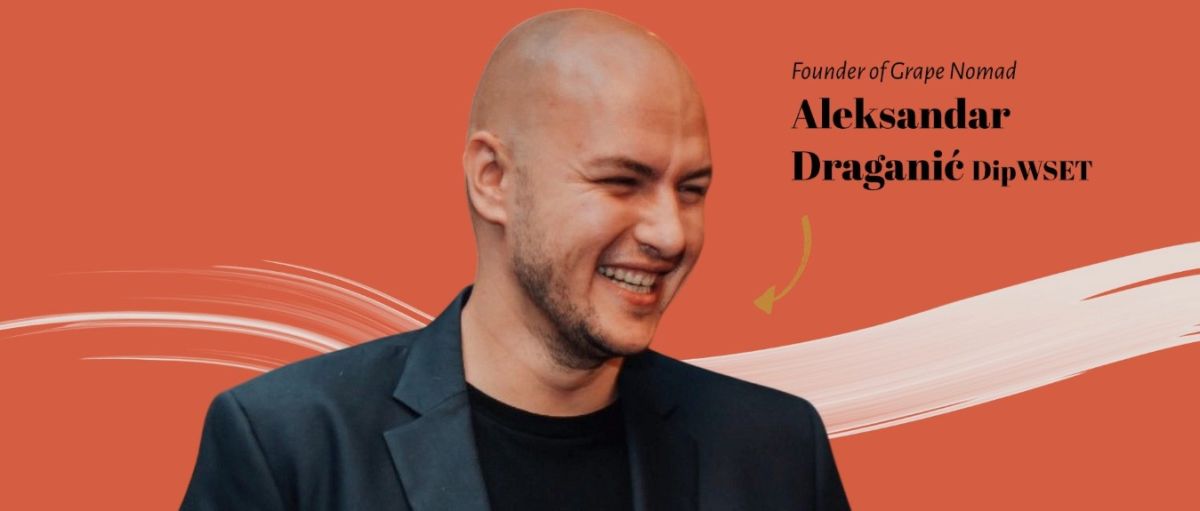
To better understand what a typical South-East Asian consumer looks for when choosing a bottle of wine, Asia Wine Ratings speaks with Aleksander Draganic, DipWSET, founder of Grape Nomad and The Smallest Wine Fair. Draganic wears many hats. He began his journey as a sommelier in Singapore and has spent over 16 years in the wine trade, working both on- and off-trade. Today, he offers consultancy services to importers and distributors, as well as hotels and restaurants, helping them build thoughtful and commercially sound wine portfolios. He also curates educational programmes for aspiring sommeliers and like-minded wine enthusiasts.
In this article, we explore the criteria that determine a wine’s performance in Asian restaurants, key considerations when pairing wine with Asian cuisine, and—most importantly—what wine producers can focus on to earn the trust of the Asian consumer.
Edited excerpts from the interview.
Singapore is small, dense, and hyper-competitive—everyone knows everyone, and there are over 800 importers in such a small country. Bad service, poor follow-through, or weak allocations are factors that can make or break a distributor. Restaurants don’t want “interesting” wines that sit on the shelf; they want sellable stories, reliable supply, and pricing that allows for flexibility.
Cash flow matters more than romance. Credit terms that are too long and slow-moving stock can quickly cripple importers. With high staff turnover, wines need to be easy to explain and re-sell repeatedly. Producers are judged as partners, not just suppliers. Visits, training, and adaptability matter far more than critic scores or hype.
Right now, sommeliers are excited about Germany beyond the Mosel—Nahe, Baden, and Pfalz—for dry Riesling and Spätburgunder. The appeal lies in the acidity and food compatibility, which work exceptionally well with South-East Asian cuisine. Austria is also performing strongly: Grüner Veltliner across all levels and Blaufränkisch offer excellent pairing potential and a clear value ladder.
We’re also seeing less obvious countries shine. China is gaining traction, with a new wave of winemakers bringing freshness and identity without the baggage of Bordeaux-style imitation. Spain’s modern Atlantic regions—such as Bierzo and Ribeira Sacra—as well as serious Albariño from Rías Baixas, are slowly coming into focus.
Sommeliers are increasingly fatigued by high-alcohol wines. They want flexibility in pairing. This shift is sommelier-led first and consumer-led second—though consumers follow when wines are positioned well.
In Europe, wine is a lifestyle. In Asia, that lifestyle needs to be built from the ground up, as people haven’t grown up with wine as part of their daily lives. There is less inherited knowledge, which actually creates more openness. With fewer biases, it’s often easier to introduce non-classic regions—if they’re explained properly.
Here, education replaces tradition. Staff training and guest explanation aren’t optional; they are the culture. Guests are willing to pay for a good experience and will avoid venues where they feel intimidated by excessive jargon or pretentious sommeliers.
Commercial success comes down to high by-the-glass (BTG) rotation. The most successful restaurants offer strong versatility within their BTG programmes. Clear price architecture, with intuitive steps up, is essential. Consistent storytelling aligned with the restaurant’s concept or the sommelier’s vision helps guests understand why these wines belong on the list. Ultimately, building trust with the guest is the only real objective.
I focus on principles. Acidity always comes first, followed by lower alcohol over heavy extraction, texture over tannin, and natural aromatic lift over oak. Practically speaking, I begin with high-acid whites or sparkling wines, introduce chillable reds mid-meal, and avoid stacking oak, spice, and sweetness at the same time. I deliberately reset the palate using salinity, bitterness, and bubbles. The goal is to maintain energy and carry guests through long, complex meals.
Guests are drinking less, but better. By-the-glass offerings are premiumising, and alcohol moderation is increasing without leading to full abstinence. Wine lists are becoming region-first rather than grape-first, and upselling is now driven by storytelling rather than prestige. People want to feel informed and confident, not impressed.
First—ditch the suits! Replace lectures with a human experience. The best sommeliers I’ve worked with sell by asking plenty of questions, while the less engaging ones start with, “the clay-schist soils give…”. Education is important, but not when it feels like translating a textbook at the table.
They are absolutely essential. Training builds confidence. In Asia, the sommelier and the wider service team are the marketing channel. If staff don’t believe in, understand, or remember your wine, it simply won’t sell. Don’t just engage the sommelier—talk to everyone in the restaurant who has the ability to sell.
Stop chasing listings with the biggest players simply because they carry 100-plus producers. Build real relationships and let decisions follow from there. Show up and visit regularly. Speak like a human, not from a brand manual. I see too many producers come to Singapore, deliver a presentation that feels like a PDF pamphlet, leave, and then wonder why nothing sells—because nobody felt anything. Listen more than you speak. Price sustainably, avoid opportunistic increases, and accept that growth may be slower. The trust you build will run far deeper.
Header image sourced from Aleksander Draganic.
Get your wines evaluated by leading Asian importers, distributors, retailers and trade buyers. Receive detailed feedback on quality, value and packaging and discover how your brand can improve its market potential in Asia.