
Submission
Deadline
October 16, 2026
Judging
Date
November 11, 2026
Winners
Announcement
November 26, 2026
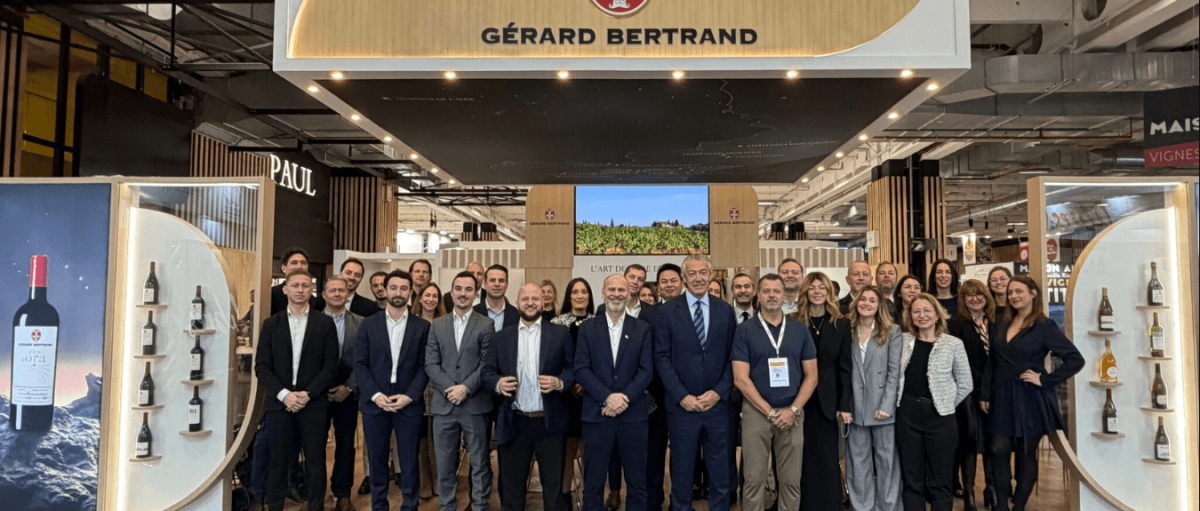
With more than a decade in the wine and spirits industry, Charles Dale brings a practical mix of hands-on knowledge and commercial insight to his role as Area Sales Manager at Daloc Fine Wine & Spirits. Since joining the company in 2021, he has focused on driving growth across South Vietnam, working closely with clients and internal teams to build strong partnerships and deliver consistent results. Charles’s approach is grounded in both experience and perspective. Early time spent in vineyards and cellars in Burgundy and Stellenbosch gave him a solid understanding of winemaking from the ground up. Today, he applies that knowledge to the business side of the industry, shaping sales and marketing strategies that support long-term development while keeping customer relationships at the center. We spoke with Charles about his journey, his approach to the market, and where he sees opportunities ahead.
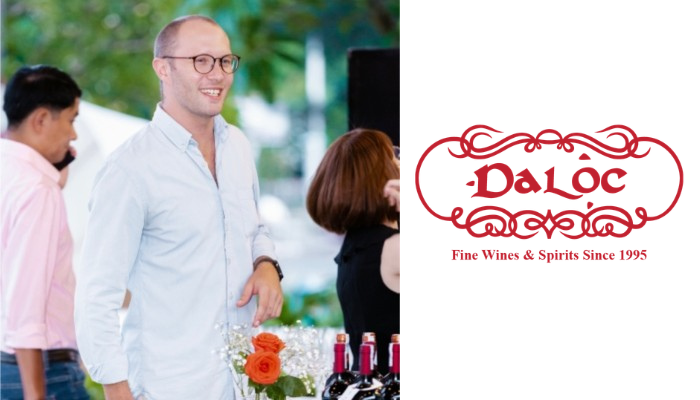
Source: Charles Dale
My current role at Daloc is Area Sales Manager, in charge of the horeca channel. If I had to work with retail partners, in order to drive sales, I would install a weekly tasting where clients would attend a free tasting based on the MKT budget offered by the winery or partner, and could also provide a voucher to be spent on a specific selected winery, providing membership cards to build customer loyalty, and also encourage referrals.
As per my experience, I witnessed that there are a few categories of consumers. The middle class, which is relatively new in Vietnam are more driven by price and sees wines as a luxury product; they can also be sensitive to story, or should I say to the winery's sustainability. The wealthiest are driven by prices and name, the more expensive the better, and a lot of them are "buveur d'etiquette."
While Vietnam has long been a red wine drinker, Bordeaux or full body wines, now it's switching to more white and lighter reds, which I personally prefer, it pair better with their food and are more suitable to the climate.
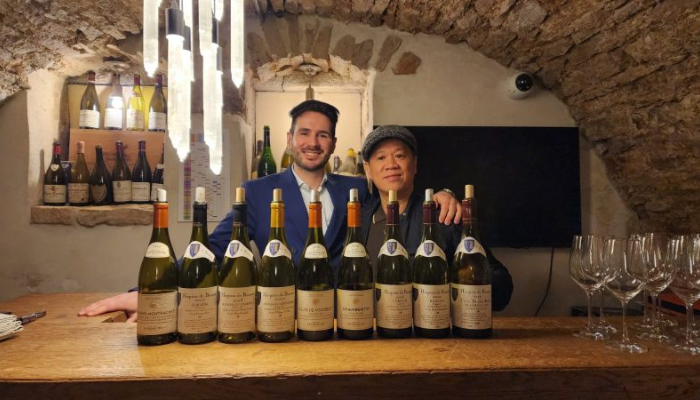
Source: Charles Dale
First, being confident in yourself is important. I think working in this market for a long time, you can read people's palate or taste, and therefore you know what is needed or not.
It depends on who you are targeting, but every bottle has either a matching name or packaging that goes with a restaurant, or else, for me, packaging is important; it will define who to approach.
Working with the right distributor is the most important; choosing the right partner is most important. For any new wines added to our portfolio, we usually organize national events and campaigns to launch new wines.
The most impactful activations are regular in-store or horeca tastings combined with targeted promotions.
It's necessary and very important; again, building education is always an important asset to have when it comes to upselling.
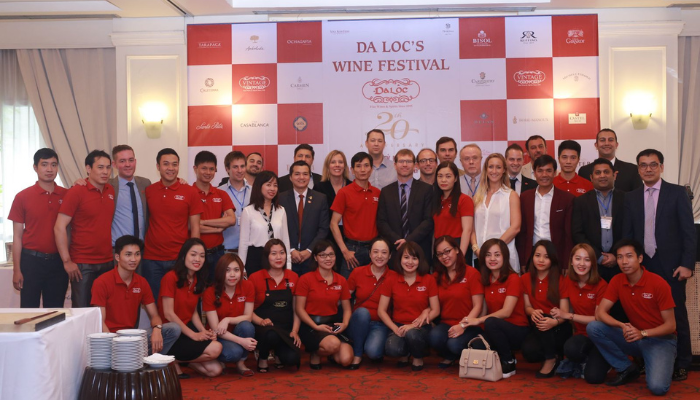
Source: Da Loc
Loire Valley wines could be a little better to my eyes; Beaujolais, German wines, and South African wines can do better.
We have two categories: the ones that need the awards, which are a sign of quality, but this usually targets a clientele that has limited knowledge of wines. For others, awards are less of a deciding factor. This group tends to rely more on personal taste, curiosity, and a deeper interest in the story and character behind each wine
As mentioned previously, choose your right partner even if it takes more time to get access to it, make sure you find the right person to represent your brand, it's a long way to go to work with the right partner, there is a lot of small distributor here with only a few that has retail shops but don't jump within the first opportunity, study well the market and choose the right partner.
I'm from Burgundy, so that’s a region I’ll always be drawn to. Beyond that, I’m particularly excited about Barbaresco at the moment.
Charles’s outlook is grounded in experience, both in the vineyard and across Vietnam’s fast-moving wine market. His approach is clear: understand the consumer, choose the right partners, and stay consistent in how a brand is built and presented. As tastes shift toward lighter, more food-friendly wines and consumers become more curious, education and in-person engagement are playing a bigger role than ever. For Charles, success in Vietnam isn’t about quick wins, but about patience, strong partnerships, and a clear identity that connects with the market. In a landscape that continues to evolve, his focus remains simple: build lasting relationships, create meaningful wine experiences, and help consumers find styles that truly resonate with them.
Header image source: Charles Dale
Also Read:
Selling Wine in Vietnam: A Fast-Growing Market Shaped by Urban Consumers and Premiumisation
Selling Wine in Malaysia: A Structured Market with Long-Term Opportunity
Selling Wine in Singapore: A Market of Influence, Not Just Consumption
Get your wines evaluated by leading Asian importers, distributors, retailers and trade buyers. Receive detailed feedback on quality, value and packaging and discover how your brand can improve its market potential in Asia.